For mural artists · Getting the job
How to Write a Mural Proposal That Gets You Picked
What a mural call is really asking for, the parts every proposal needs, and a checklist to run before you hit submit.
Most mural jobs are not won on talent alone. They are won by the artist who answered the question the committee actually asked, sent clear photos, and showed a budget nobody had to worry about. A committee is often a mix of city staff, business owners and volunteers reading dozens of submissions. Your job is to make yes the easy answer.
This guide walks through what a mural call is asking for, the pieces every proposal needs, and the simple mistakes that get good artists passed over.
RFQ or RFP? Know what they want
Public art calls usually come in two kinds, and they ask for different things.
- RFQ (request for qualifications). They want to know who you are, not what you would paint yet. Expect a letter of interest, a resume or bio, images of past work and references. A short list of artists is picked, and those finalists are often paid to develop a design.
- RFP (request for proposals). They want a specific idea now: a concept, a sketch or rendering, a budget and a timeline for this wall.
Read the call twice. If it is an RFQ, do not spend a week on a free design nobody asked for. If it is an RFP, a vague “I would love to paint something beautiful” will not compete with an artist who shows the wall with a design on it.
The parts of a strong proposal
Every call is different, so follow its list first. These are the pieces that show up again and again:
- Letter of interest. One page on why this wall, this community and you fit together.
- Concept. A short description of the idea and the story it tells. For an RFP, include a sketch or a mockup on a photo of the wall.
- Images of past work. Usually 5 to 20 images, labeled the way the call asks.
- Budget. Every cost line, not one lump number. See the next section.
- Timeline. Design, approvals, wall prep, painting days, weather backup and finish date.
- Resume or bio, and references. Past clients who will actually pick up the phone.
- Insurance and paperwork. Many public projects require general liability insurance, a W-9 and sometimes a business license. Find out early.
- Upkeep plan. The paint and coating you will use and what care the wall will need.
Writing the letter of interest
Keep it to one page. Committees skim, so lead with what matters to them.
- Open with the place, not yourself. Show you looked at the wall, the street and the town. Mention what you noticed.
- Connect your past work to their goals. If they want to bring people downtown, point to a mural that became a photo stop. If they want local history, show work where you researched a story.
- Say how you involve the community. Listening sessions, school input or a paint day, if the call asks for it and you can deliver it.
- Prove you can finish. Mention walls of a similar size, lift work and on-time delivery, in plain words.
- Close with a clear line. Thank them and say you are ready to talk through the design and budget.
Building the budget
A clear, line-item budget tells a committee you have done this before. A single number with no breakdown makes them nervous. Common lines include:
| Budget line | What goes in it |
|---|---|
| Design fee | Research, sketches, revisions and the final design |
| Artist fee | Your painting days, plus any assistants |
| Paint and supplies | Exterior paint, primer, brushes, rollers, tape, drop cloths |
| Equipment | Lift or scaffold rental, delivery and pickup |
| Wall prep | Pressure washing, repairs and primer |
| Protective coating | Clear coat or anti-graffiti coating |
| Insurance and permits | Liability coverage and any city permits |
| Travel and lodging | Mileage, hotel and meals for out-of-town jobs |
| Contingency | A cushion for weather days and surprises |
If the call lists a fixed budget, show how the whole amount is used and say what is included. If it does not, price the job honestly rather than guessing low to look cheap. Our free guide, How to Price a Mural, has a day rate worksheet and a quote worksheet you can use to build these numbers.
Your images do the heavy lifting
Many committee members look at the pictures before they read a word. Make them count.
- Show finished walls first. Put your strongest, most relevant murals at the top.
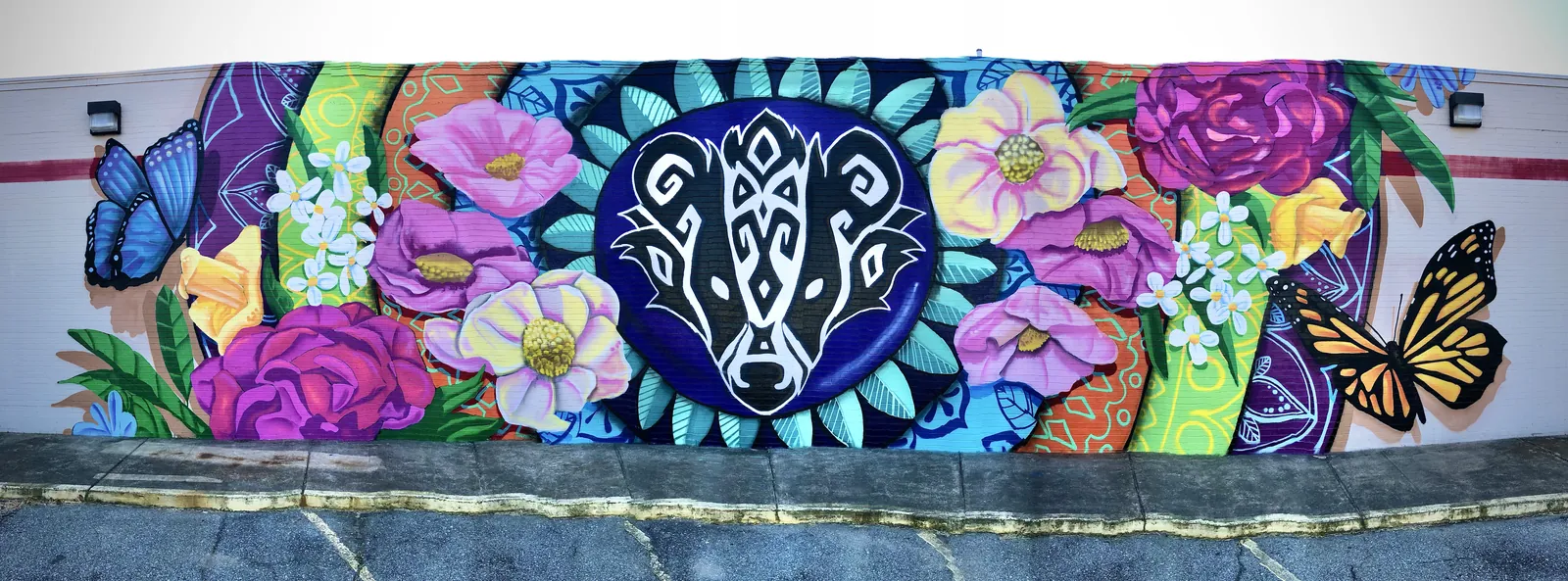
- Include one wide shot with the building and street. It shows scale and how the mural sits in its setting.
- Label every image. Title, location, size, year, and budget if the call asks. Use the exact file names and order they request.
- Mock up their wall. For an RFP, place your design on a straight-on photo of the actual wall. It helps people picture the result.
- Check the size limits. Many online portals reject files that are too large. Resize before the deadline, not during it.
Mistakes that knock you out
- Missing the deadline or the time zone. Portals close on the minute. Submit a day early.
- Skipping a required piece. An incomplete application is often removed before anyone sees your art.
- Sending the same letter everywhere. Committees can tell. Name their town and their wall.
- Ignoring eligibility. Some calls are limited to artists from a certain state, region or city. Check before you spend the time.
- Promising what you cannot deliver. Do not commit to a timeline, a crew or community events you cannot staff.
Before you hit submit
- I read the whole call and know if it is an RFQ or an RFP.
- I meet the eligibility rules (location, experience, insurance).
- Every required document is attached and named the way they asked.
- My letter mentions their wall and their goals.
- My images are labeled and within the size limit.
- My budget is line by line and adds up to the total.
- My timeline includes approvals and weather days.
- A friend proofread it.
- I am submitting at least a day before the deadline.
Then save everything in one folder. Your next proposal will take half the time.
Every mural call has its own rules. Always follow the instructions in the call you are answering. This article is general information, not legal, tax or insurance advice.